
Championing trees in Neighbourhood Plans
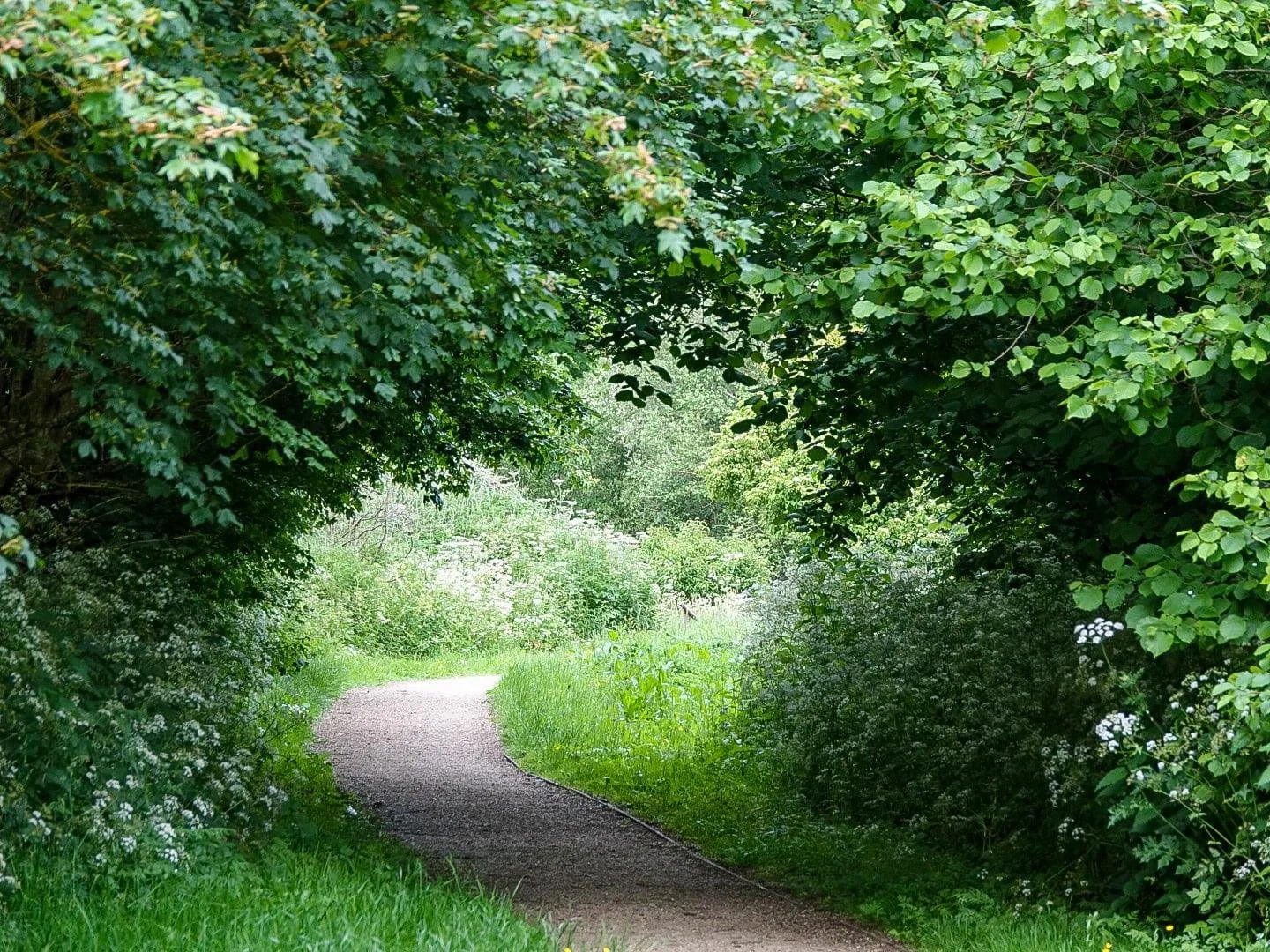
‘More trees please’ says Friends of the Earth, who advocate for doubling UK tree cover. Our trees, woodlands and hedgerows bring so many benefits for our wellbeing and health as well as playing a key role in the future of our planet.
Neighbourhood Plans can be an effective tool for the delivery of planning policies relating to trees.
The Woodland Trust produced an Emergency Tree Plan in 2020, reporting the low level of woodland cover and tree cover in the UK and recommending an increase in UK woodland cover from its current 13%. The Urban Forestry and Woodland Advisory Committee Network advise that ‘a minimum standard for tree canopy cover is set for a local area, with evidence showing that 20% is a good aspiration’.
Together with Portishead town in North Somerset, we’ve used an interesting tool called itree to calculate the current tree canopy coverage in the town. The tree canopy coverage in your area may already be mapped – take a look at the Forestry Research national map.
Portishead will use this information to underpin a planning policy on tree canopy coverage targets in their forthcoming Neighbourhood Plan and are now aiming to use this baseline information to measure their aspiration to increase tree coverage over the next 10 - 15 years.
The protection of existing trees alongside an aim to increase tree coverage in the Parish was also a core objective of the Cam Neighbourhood Plan, a large village and parish in Stroud District. Together with the Steering Group we established a strong evidence base which underpinned a planning policy on trees and woodland, with the aim of:
Retaining existing trees where possible. Where trees are lost, replacing trees with regard to the species and age of the loss of tree, not simply a one for one/two/three replacement ratio.
Integrating new trees as placemaking features – landmarks and gateways; and,
Protecting their irreplaceable ancient woodlands.
Trees are important in Cam, making a primary contribution to the sense of place and distinctiveness of the Parish. The evidence base demonstrating the role and importance of trees is set out in the Cam Design Code, which contains detailed guidance for trees in the Parish, from design approach, to species selection, to planting and maintenance..
It’s not all about planning policy. Inspired by work on the Neighbourhood Plan, a group of local people have started the Significant Trees of Portishead project which aims to record, map and collect key data on the trees in the Neighbourhood Area, with a view to protect valuable trees and sustainably increase the overall tree cover in Portishead. As well as protecting their significant ancient woodland areas, they are also seeking to identify and map veteran trees, and ensure that Tree Protection Orders (TPOs) are in place where needed.